Rose Water Food Coloring
HOW TO CREATE THE COLOR CHANGING ROSE EXPERIMENT Begin by adding a couple of inches of water to 2 mason jars or cups (this will be for 1 rose). Add a good deal of blue and yellow food coloring to the water, 1 color per jar. The blue water should be a very dark blue and the yellow will look orange.
What happens when you put food coloring in a plant's water depends on what kind of plant you are talking about. If you put food coloring in water holding red roses, for example, the only result will be red-tinted water. The food coloring, which is non-toxic because it is meant for human consumption, will not harm or benefit the flowers, nor will it have any effect on a strong color such as red.
What do you need to change the color of flowers? Food color - Liquid or you can mix water to make them liquid. Droppers Glass bottle or simply water glass. Water White flowers (in my case - roses). [*Product links are affiliate links. Your support is highly appreciated] We tried this experiment with both white roses and daisy flowers.
For deeper colors, adjust the water/food coloring ratio by using more food coloring and less water. Use warm water to help open up the pores of the rose petals and absorb more dye.
The Influence Of Rose Water On Food Coloring And Decorations - The Kitchen Community

How to Use Food Coloring to Dye Roses. Dying a rose is a great way to teach children about how the capillaries in the stem carry water to the flower. Dying a rose is not only educational for children, but watching the rose change colors is fun and exciting as well.
Add color to your normal bouquets with this easy dyeing technique Roses are a classic flower used in floral arrangements, but sometimes you need a certain color you just can't get anywhere. With a little bit of water, food coloring, and.
HOW TO CREATE THE COLOR CHANGING ROSE EXPERIMENT Begin by adding a couple of inches of water to 2 mason jars or cups (this will be for 1 rose). Add a good deal of blue and yellow food coloring to the water, 1 color per jar. The blue water should be a very dark blue and the yellow will look orange.
3. What types of food coloring work best for this experiment? Most types of liquid food coloring will work for changing the color of roses, including standard liquid food dyes typically found in grocery stores. Gel food coloring can also be used, but it may require a bit more dilution to ensure that it mixes well with the water.
I Put Blue Food Coloring In My White Roses Water : R/mildlyinteresting
HOW TO CREATE THE COLOR CHANGING ROSE EXPERIMENT Begin by adding a couple of inches of water to 2 mason jars or cups (this will be for 1 rose). Add a good deal of blue and yellow food coloring to the water, 1 color per jar. The blue water should be a very dark blue and the yellow will look orange.
Add color to your normal bouquets with this easy dyeing technique Roses are a classic flower used in floral arrangements, but sometimes you need a certain color you just can't get anywhere. With a little bit of water, food coloring, and.
Choose Your Roses Select the color rose you'd like to work with. Use white or cream-colored roses for the best results. You can still dye yellow or pink roses, but the results will be unpredictable. Drip Food Coloring Into Glasses of Water Fill four glasses with water, and dye the water with strong food coloring. Make each glass of water a different color to create a tie dye flower pattern.
What do you need to change the color of flowers? Food color - Liquid or you can mix water to make them liquid. Droppers Glass bottle or simply water glass. Water White flowers (in my case - roses). [*Product links are affiliate links. Your support is highly appreciated] We tried this experiment with both white roses and daisy flowers.
The Influence Of Rose Water On Food Coloring And Decorations - The Kitchen Community

Choose Your Roses Select the color rose you'd like to work with. Use white or cream-colored roses for the best results. You can still dye yellow or pink roses, but the results will be unpredictable. Drip Food Coloring Into Glasses of Water Fill four glasses with water, and dye the water with strong food coloring. Make each glass of water a different color to create a tie dye flower pattern.
What do you need to change the color of flowers? Food color - Liquid or you can mix water to make them liquid. Droppers Glass bottle or simply water glass. Water White flowers (in my case - roses). [*Product links are affiliate links. Your support is highly appreciated] We tried this experiment with both white roses and daisy flowers.
What happens when you put food coloring in a plant's water depends on what kind of plant you are talking about. If you put food coloring in water holding red roses, for example, the only result will be red-tinted water. The food coloring, which is non-toxic because it is meant for human consumption, will not harm or benefit the flowers, nor will it have any effect on a strong color such as red.
3. What types of food coloring work best for this experiment? Most types of liquid food coloring will work for changing the color of roses, including standard liquid food dyes typically found in grocery stores. Gel food coloring can also be used, but it may require a bit more dilution to ensure that it mixes well with the water.
How To Make Rose Water Using Fresh Flowers | The Foodie Affair
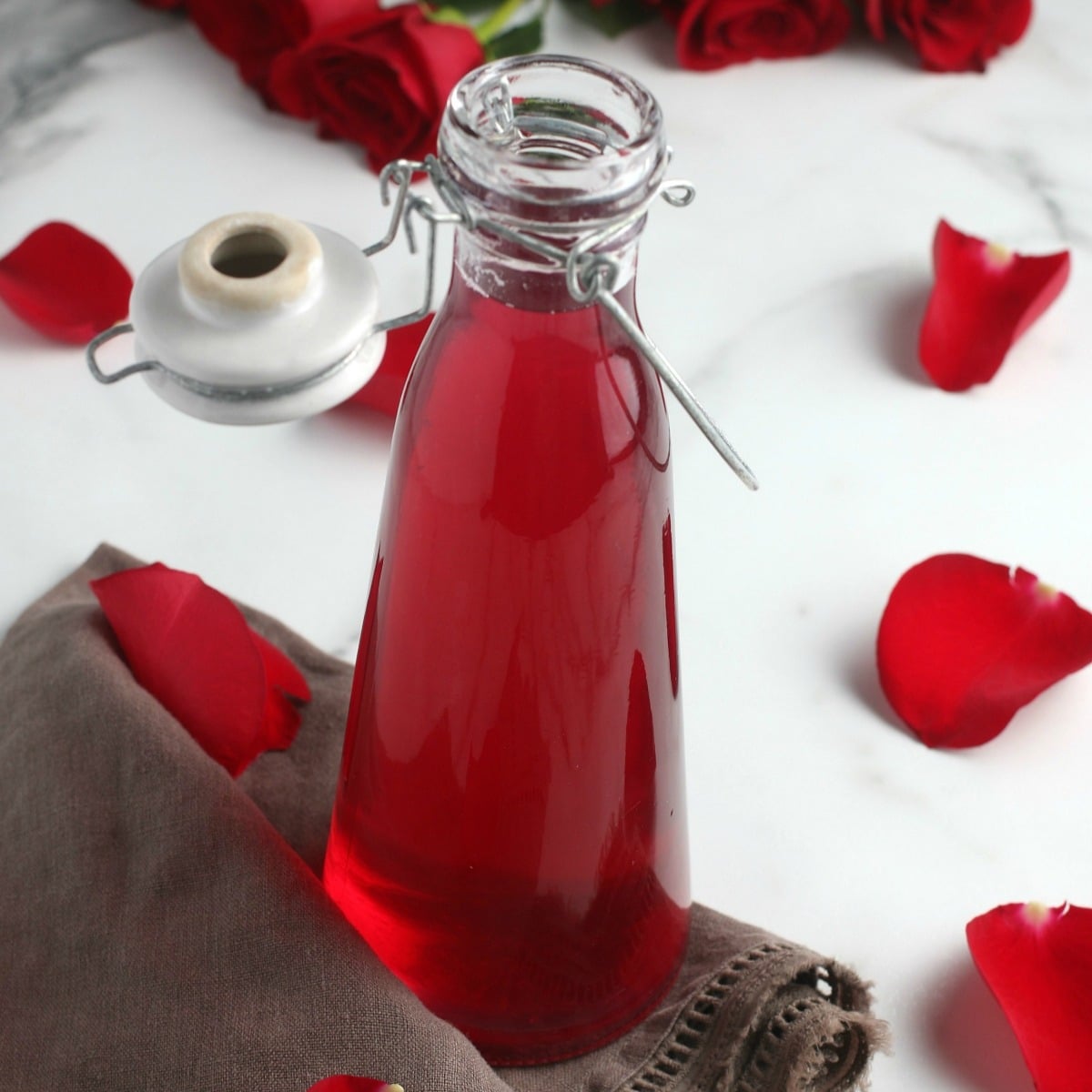
Discover how you can change the color of roses using food coloring. Learn about the mechanism behind the color change, step-by-step instructions, and the impact on rose health.
What happens when you put food coloring in a plant's water depends on what kind of plant you are talking about. If you put food coloring in water holding red roses, for example, the only result will be red-tinted water. The food coloring, which is non-toxic because it is meant for human consumption, will not harm or benefit the flowers, nor will it have any effect on a strong color such as red.
HOW TO CREATE THE COLOR CHANGING ROSE EXPERIMENT Begin by adding a couple of inches of water to 2 mason jars or cups (this will be for 1 rose). Add a good deal of blue and yellow food coloring to the water, 1 color per jar. The blue water should be a very dark blue and the yellow will look orange.
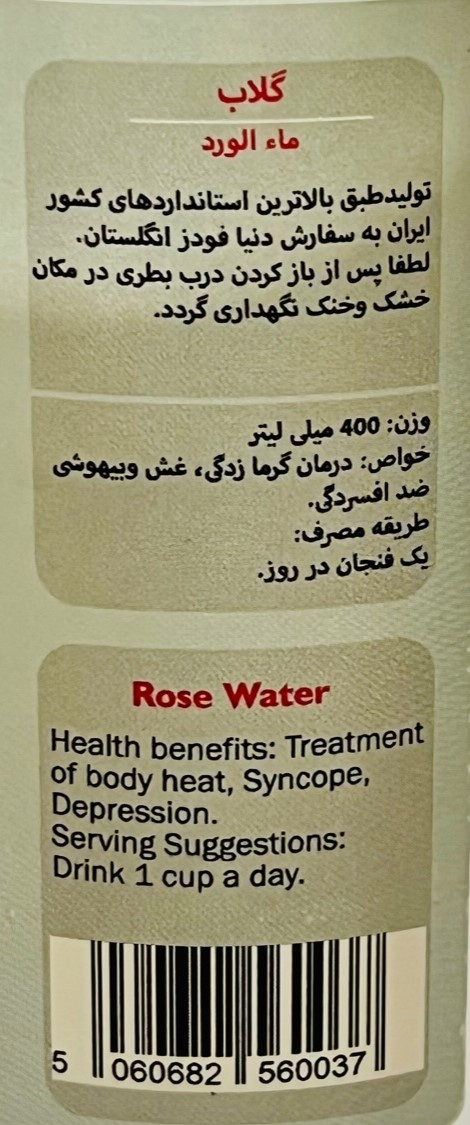
The presence of rose water to tint foods is guided by a sophisticated approach to presentation, ensuring that the coloring complements the flavors and enhances your dining experience. Whether used to create a serene visual palette on the plate or to add a finishing touch to desserts, the influence of rose water is profound yet softly understated.
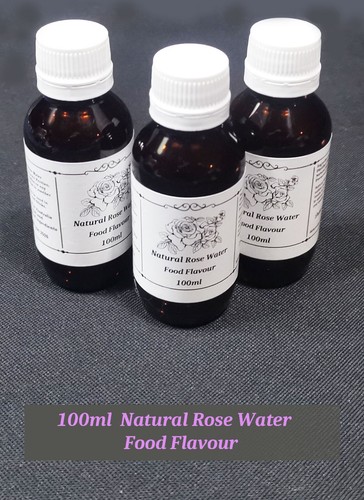
100ml Of Natural Rose Water - Food Flavour - | EBay
What do you need to change the color of flowers? Food color - Liquid or you can mix water to make them liquid. Droppers Glass bottle or simply water glass. Water White flowers (in my case - roses). [*Product links are affiliate links. Your support is highly appreciated] We tried this experiment with both white roses and daisy flowers.
Discover how you can change the color of roses using food coloring. Learn about the mechanism behind the color change, step-by-step instructions, and the impact on rose health.
HOW TO CREATE THE COLOR CHANGING ROSE EXPERIMENT Begin by adding a couple of inches of water to 2 mason jars or cups (this will be for 1 rose). Add a good deal of blue and yellow food coloring to the water, 1 color per jar. The blue water should be a very dark blue and the yellow will look orange.
How to Use Food Coloring to Dye Roses. Dying a rose is a great way to teach children about how the capillaries in the stem carry water to the flower. Dying a rose is not only educational for children, but watching the rose change colors is fun and exciting as well.
The Influence Of Rose Water On Food Coloring And Decorations - The Kitchen Community

Choose Your Roses Select the color rose you'd like to work with. Use white or cream-colored roses for the best results. You can still dye yellow or pink roses, but the results will be unpredictable. Drip Food Coloring Into Glasses of Water Fill four glasses with water, and dye the water with strong food coloring. Make each glass of water a different color to create a tie dye flower pattern.
The presence of rose water to tint foods is guided by a sophisticated approach to presentation, ensuring that the coloring complements the flavors and enhances your dining experience. Whether used to create a serene visual palette on the plate or to add a finishing touch to desserts, the influence of rose water is profound yet softly understated.
Add color to your normal bouquets with this easy dyeing technique Roses are a classic flower used in floral arrangements, but sometimes you need a certain color you just can't get anywhere. With a little bit of water, food coloring, and.
Discover how you can change the color of roses using food coloring. Learn about the mechanism behind the color change, step-by-step instructions, and the impact on rose health.
DIY Rainbow Roses

For deeper colors, adjust the water/food coloring ratio by using more food coloring and less water. Use warm water to help open up the pores of the rose petals and absorb more dye.
3. What types of food coloring work best for this experiment? Most types of liquid food coloring will work for changing the color of roses, including standard liquid food dyes typically found in grocery stores. Gel food coloring can also be used, but it may require a bit more dilution to ensure that it mixes well with the water.
The presence of rose water to tint foods is guided by a sophisticated approach to presentation, ensuring that the coloring complements the flavors and enhances your dining experience. Whether used to create a serene visual palette on the plate or to add a finishing touch to desserts, the influence of rose water is profound yet softly understated.
What do you need to change the color of flowers? Food color - Liquid or you can mix water to make them liquid. Droppers Glass bottle or simply water glass. Water White flowers (in my case - roses). [*Product links are affiliate links. Your support is highly appreciated] We tried this experiment with both white roses and daisy flowers.
How To Dye White Roses With Food Coloring: 8 Steps

For deeper colors, adjust the water/food coloring ratio by using more food coloring and less water. Use warm water to help open up the pores of the rose petals and absorb more dye.
What happens when you put food coloring in a plant's water depends on what kind of plant you are talking about. If you put food coloring in water holding red roses, for example, the only result will be red-tinted water. The food coloring, which is non-toxic because it is meant for human consumption, will not harm or benefit the flowers, nor will it have any effect on a strong color such as red.
Add color to your normal bouquets with this easy dyeing technique Roses are a classic flower used in floral arrangements, but sometimes you need a certain color you just can't get anywhere. With a little bit of water, food coloring, and.
How to Use Food Coloring to Dye Roses. Dying a rose is a great way to teach children about how the capillaries in the stem carry water to the flower. Dying a rose is not only educational for children, but watching the rose change colors is fun and exciting as well.
How To Dye White Roses With Food Coloring: 8 Steps (with Pictures)

Choose Your Roses Select the color rose you'd like to work with. Use white or cream-colored roses for the best results. You can still dye yellow or pink roses, but the results will be unpredictable. Drip Food Coloring Into Glasses of Water Fill four glasses with water, and dye the water with strong food coloring. Make each glass of water a different color to create a tie dye flower pattern.
For deeper colors, adjust the water/food coloring ratio by using more food coloring and less water. Use warm water to help open up the pores of the rose petals and absorb more dye.
Discover how you can change the color of roses using food coloring. Learn about the mechanism behind the color change, step-by-step instructions, and the impact on rose health.
3. What types of food coloring work best for this experiment? Most types of liquid food coloring will work for changing the color of roses, including standard liquid food dyes typically found in grocery stores. Gel food coloring can also be used, but it may require a bit more dilution to ensure that it mixes well with the water.
The Color Influence Of Rose Water In Enhancing Food Presentation Visuals - The Kitchen Community

Choose Your Roses Select the color rose you'd like to work with. Use white or cream-colored roses for the best results. You can still dye yellow or pink roses, but the results will be unpredictable. Drip Food Coloring Into Glasses of Water Fill four glasses with water, and dye the water with strong food coloring. Make each glass of water a different color to create a tie dye flower pattern.
What happens when you put food coloring in a plant's water depends on what kind of plant you are talking about. If you put food coloring in water holding red roses, for example, the only result will be red-tinted water. The food coloring, which is non-toxic because it is meant for human consumption, will not harm or benefit the flowers, nor will it have any effect on a strong color such as red.
The presence of rose water to tint foods is guided by a sophisticated approach to presentation, ensuring that the coloring complements the flavors and enhances your dining experience. Whether used to create a serene visual palette on the plate or to add a finishing touch to desserts, the influence of rose water is profound yet softly understated.
For deeper colors, adjust the water/food coloring ratio by using more food coloring and less water. Use warm water to help open up the pores of the rose petals and absorb more dye.
The Influence Of Rose Water On Food Coloring And Decorations - The Kitchen Community

What do you need to change the color of flowers? Food color - Liquid or you can mix water to make them liquid. Droppers Glass bottle or simply water glass. Water White flowers (in my case - roses). [*Product links are affiliate links. Your support is highly appreciated] We tried this experiment with both white roses and daisy flowers.
For deeper colors, adjust the water/food coloring ratio by using more food coloring and less water. Use warm water to help open up the pores of the rose petals and absorb more dye.
Choose Your Roses Select the color rose you'd like to work with. Use white or cream-colored roses for the best results. You can still dye yellow or pink roses, but the results will be unpredictable. Drip Food Coloring Into Glasses of Water Fill four glasses with water, and dye the water with strong food coloring. Make each glass of water a different color to create a tie dye flower pattern.
Add color to your normal bouquets with this easy dyeing technique Roses are a classic flower used in floral arrangements, but sometimes you need a certain color you just can't get anywhere. With a little bit of water, food coloring, and.
Food Colouring & Essence | Regency Foods Restaurant Supplier
Discover how you can change the color of roses using food coloring. Learn about the mechanism behind the color change, step-by-step instructions, and the impact on rose health.
What happens when you put food coloring in a plant's water depends on what kind of plant you are talking about. If you put food coloring in water holding red roses, for example, the only result will be red-tinted water. The food coloring, which is non-toxic because it is meant for human consumption, will not harm or benefit the flowers, nor will it have any effect on a strong color such as red.
Add color to your normal bouquets with this easy dyeing technique Roses are a classic flower used in floral arrangements, but sometimes you need a certain color you just can't get anywhere. With a little bit of water, food coloring, and.
For deeper colors, adjust the water/food coloring ratio by using more food coloring and less water. Use warm water to help open up the pores of the rose petals and absorb more dye.

How to Use Food Coloring to Dye Roses. Dying a rose is a great way to teach children about how the capillaries in the stem carry water to the flower. Dying a rose is not only educational for children, but watching the rose change colors is fun and exciting as well.
Discover how you can change the color of roses using food coloring. Learn about the mechanism behind the color change, step-by-step instructions, and the impact on rose health.
HOW TO CREATE THE COLOR CHANGING ROSE EXPERIMENT Begin by adding a couple of inches of water to 2 mason jars or cups (this will be for 1 rose). Add a good deal of blue and yellow food coloring to the water, 1 color per jar. The blue water should be a very dark blue and the yellow will look orange.
What do you need to change the color of flowers? Food color - Liquid or you can mix water to make them liquid. Droppers Glass bottle or simply water glass. Water White flowers (in my case - roses). [*Product links are affiliate links. Your support is highly appreciated] We tried this experiment with both white roses and daisy flowers.
Food Coloring Roses At Martha Chouinard Blog
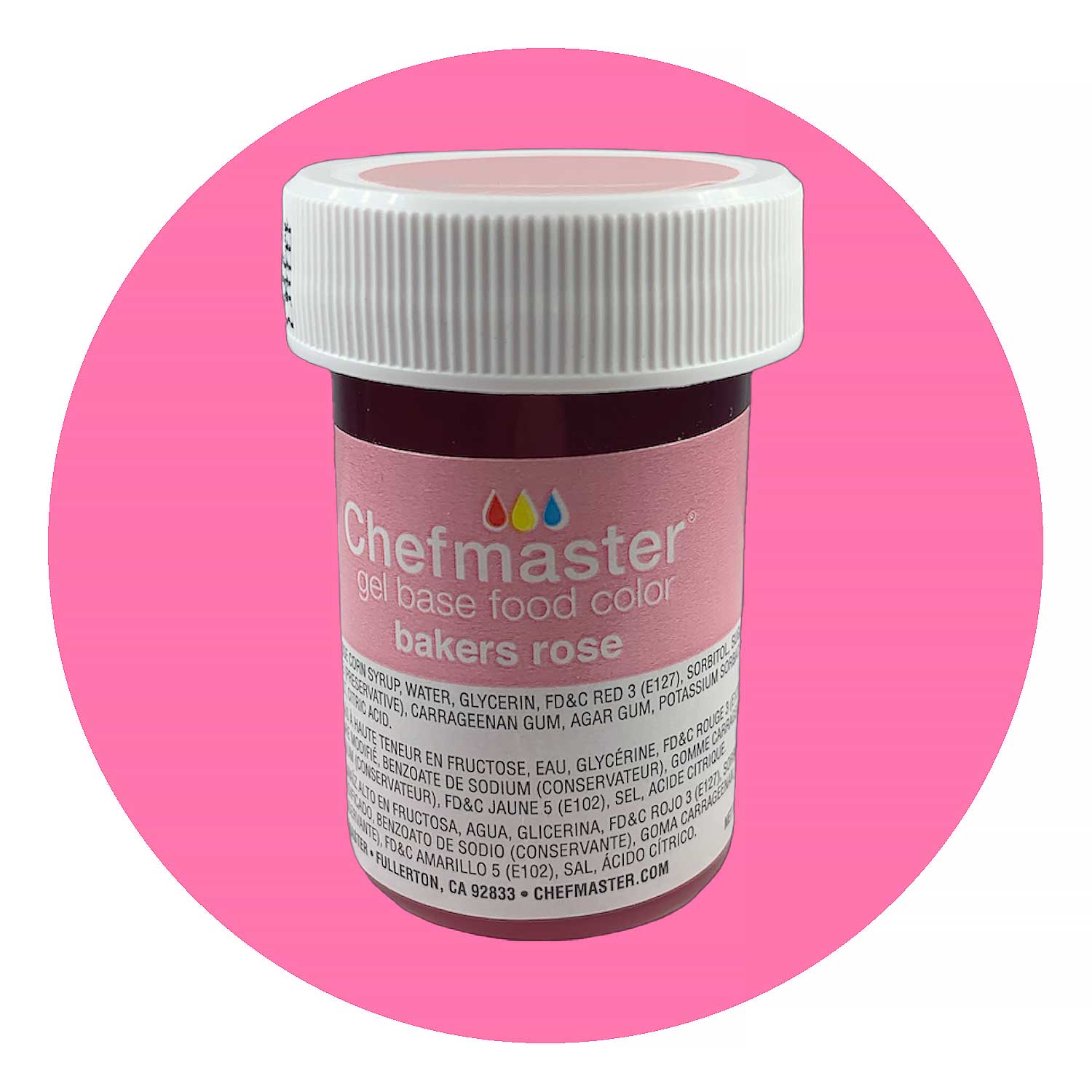
What happens when you put food coloring in a plant's water depends on what kind of plant you are talking about. If you put food coloring in water holding red roses, for example, the only result will be red-tinted water. The food coloring, which is non-toxic because it is meant for human consumption, will not harm or benefit the flowers, nor will it have any effect on a strong color such as red.
Add color to your normal bouquets with this easy dyeing technique Roses are a classic flower used in floral arrangements, but sometimes you need a certain color you just can't get anywhere. With a little bit of water, food coloring, and.
For deeper colors, adjust the water/food coloring ratio by using more food coloring and less water. Use warm water to help open up the pores of the rose petals and absorb more dye.
HOW TO CREATE THE COLOR CHANGING ROSE EXPERIMENT Begin by adding a couple of inches of water to 2 mason jars or cups (this will be for 1 rose). Add a good deal of blue and yellow food coloring to the water, 1 color per jar. The blue water should be a very dark blue and the yellow will look orange.
How To Make Your Own Rainbow Flowers Using White Roses & Food Coloring « The Secret Yumiverse ...
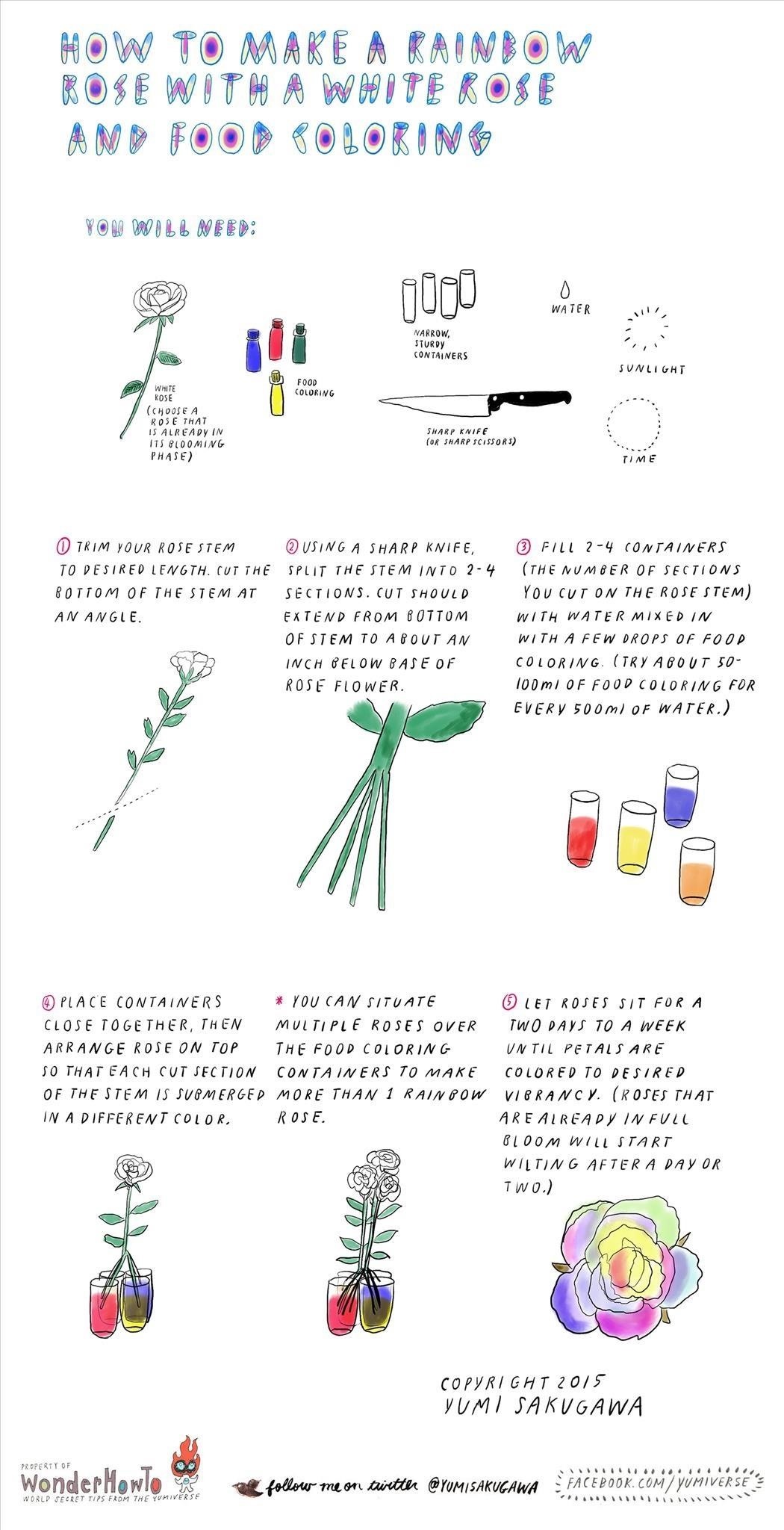
3. What types of food coloring work best for this experiment? Most types of liquid food coloring will work for changing the color of roses, including standard liquid food dyes typically found in grocery stores. Gel food coloring can also be used, but it may require a bit more dilution to ensure that it mixes well with the water.
Choose Your Roses Select the color rose you'd like to work with. Use white or cream-colored roses for the best results. You can still dye yellow or pink roses, but the results will be unpredictable. Drip Food Coloring Into Glasses of Water Fill four glasses with water, and dye the water with strong food coloring. Make each glass of water a different color to create a tie dye flower pattern.
What happens when you put food coloring in a plant's water depends on what kind of plant you are talking about. If you put food coloring in water holding red roses, for example, the only result will be red-tinted water. The food coloring, which is non-toxic because it is meant for human consumption, will not harm or benefit the flowers, nor will it have any effect on a strong color such as red.
Discover how you can change the color of roses using food coloring. Learn about the mechanism behind the color change, step-by-step instructions, and the impact on rose health.
HOW TO CREATE THE COLOR CHANGING ROSE EXPERIMENT Begin by adding a couple of inches of water to 2 mason jars or cups (this will be for 1 rose). Add a good deal of blue and yellow food coloring to the water, 1 color per jar. The blue water should be a very dark blue and the yellow will look orange.
Choose Your Roses Select the color rose you'd like to work with. Use white or cream-colored roses for the best results. You can still dye yellow or pink roses, but the results will be unpredictable. Drip Food Coloring Into Glasses of Water Fill four glasses with water, and dye the water with strong food coloring. Make each glass of water a different color to create a tie dye flower pattern.
Add color to your normal bouquets with this easy dyeing technique Roses are a classic flower used in floral arrangements, but sometimes you need a certain color you just can't get anywhere. With a little bit of water, food coloring, and.
Discover how you can change the color of roses using food coloring. Learn about the mechanism behind the color change, step-by-step instructions, and the impact on rose health.
What do you need to change the color of flowers? Food color - Liquid or you can mix water to make them liquid. Droppers Glass bottle or simply water glass. Water White flowers (in my case - roses). [*Product links are affiliate links. Your support is highly appreciated] We tried this experiment with both white roses and daisy flowers.
What happens when you put food coloring in a plant's water depends on what kind of plant you are talking about. If you put food coloring in water holding red roses, for example, the only result will be red-tinted water. The food coloring, which is non-toxic because it is meant for human consumption, will not harm or benefit the flowers, nor will it have any effect on a strong color such as red.
For deeper colors, adjust the water/food coloring ratio by using more food coloring and less water. Use warm water to help open up the pores of the rose petals and absorb more dye.
How to Use Food Coloring to Dye Roses. Dying a rose is a great way to teach children about how the capillaries in the stem carry water to the flower. Dying a rose is not only educational for children, but watching the rose change colors is fun and exciting as well.
3. What types of food coloring work best for this experiment? Most types of liquid food coloring will work for changing the color of roses, including standard liquid food dyes typically found in grocery stores. Gel food coloring can also be used, but it may require a bit more dilution to ensure that it mixes well with the water.
The presence of rose water to tint foods is guided by a sophisticated approach to presentation, ensuring that the coloring complements the flavors and enhances your dining experience. Whether used to create a serene visual palette on the plate or to add a finishing touch to desserts, the influence of rose water is profound yet softly understated.