Goddess Of Motherhood
Explore the myth of Leto, mother of Apollo and Artemis, whose trials and divine birth story made Delos sacred in Greek mythology.
Learn about Leto, the Titan goddess who gave birth to Artemis and Apollo despite Hera's wrath. Discover her origins, adventures, and role in Greek mythology.
Learn about 13 famous mother goddesses from different ancient civilizations, such as Gaia, Isis, Asase Yaa, Nut, and Durga. Discover their roles, symbols, powers, and stories in this article.
Mother Goddess sculpture from Madhya Pradesh or Rajasthan, India, 6th-7th century, in the National Museum of Korea, Seoul A mother goddess is a major goddess characterized as a mother or progenitor, either as an embodiment of motherhood and fertility or fulfilling the cosmological role of a creator- and/or destroyer-figure, typically associated the Earth, sky, and/or the life.
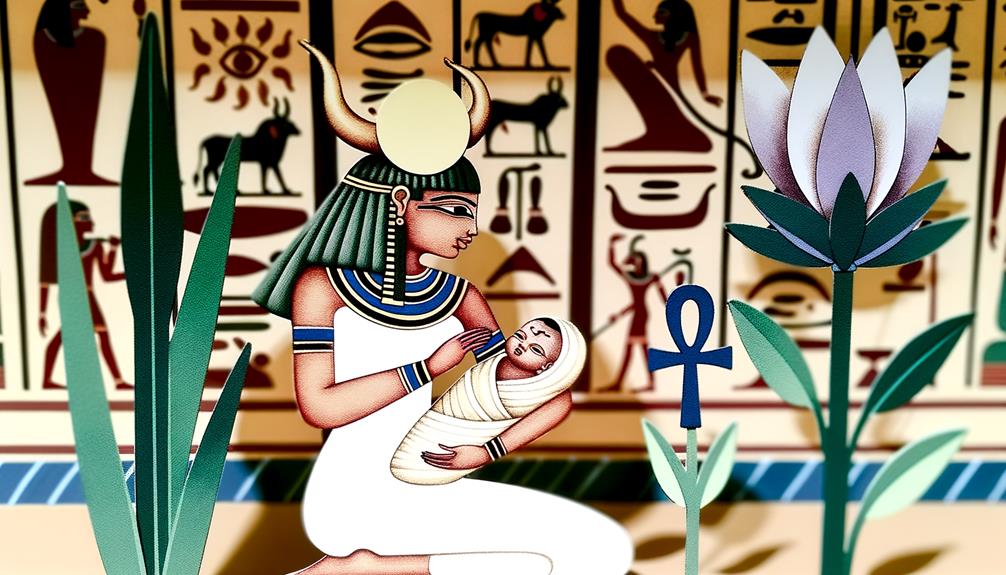
Premium Photo | Ancient Egyptian Goddess Of Fertility And Motherhood ...

Motherhood has always been central to human culture and mythology, but its meaning and significance have transformed profoundly over time. From ancient fertility goddesses who embodied the raw power of life and creation to the subdued maternal figures of patriarchal religions, myths about mothers reveal not only societal values but also deep conflicts between genders and shifting power.
Divine motherhood across the ancient world embodied more than just mythology-it was a cultural blueprint. In ancient civilizations from Egypt to China, mother goddesses symbolized both life.
Learn about Leto, the Titan goddess who gave birth to Artemis and Apollo despite Hera's wrath. Discover her origins, adventures, and role in Greek mythology.
Mother goddess, any of a variety of feminine deities and maternal symbols of creativity, birth, fertility, sexual union, nurturing, and the cycle of growth. The term also has been applied to figures as diverse as the so.
Leto Print, Goddess Of Motherhood, Coquette Room Decor, Greek Mythology ...

Explore the myth of Leto, mother of Apollo and Artemis, whose trials and divine birth story made Delos sacred in Greek mythology.
Learn about Leto, the Titan goddess who gave birth to Artemis and Apollo despite Hera's wrath. Discover her origins, adventures, and role in Greek mythology.
Rhea, a Titan goddess of fertility and motherhood, was the first goddess to be associated with motherhood. In ancient Greek mythology, Leto was the representation of motherhood, suffering a lot to give birth to her children and protect them. She was also the sister and consort of Cronus, mother to several of the Olympian deities.
Motherhood has always been central to human culture and mythology, but its meaning and significance have transformed profoundly over time. From ancient fertility goddesses who embodied the raw power of life and creation to the subdued maternal figures of patriarchal religions, myths about mothers reveal not only societal values but also deep conflicts between genders and shifting power.
Leto Goddess Of Motherhood
Learn about 13 famous mother goddesses from different ancient civilizations, such as Gaia, Isis, Asase Yaa, Nut, and Durga. Discover their roles, symbols, powers, and stories in this article.
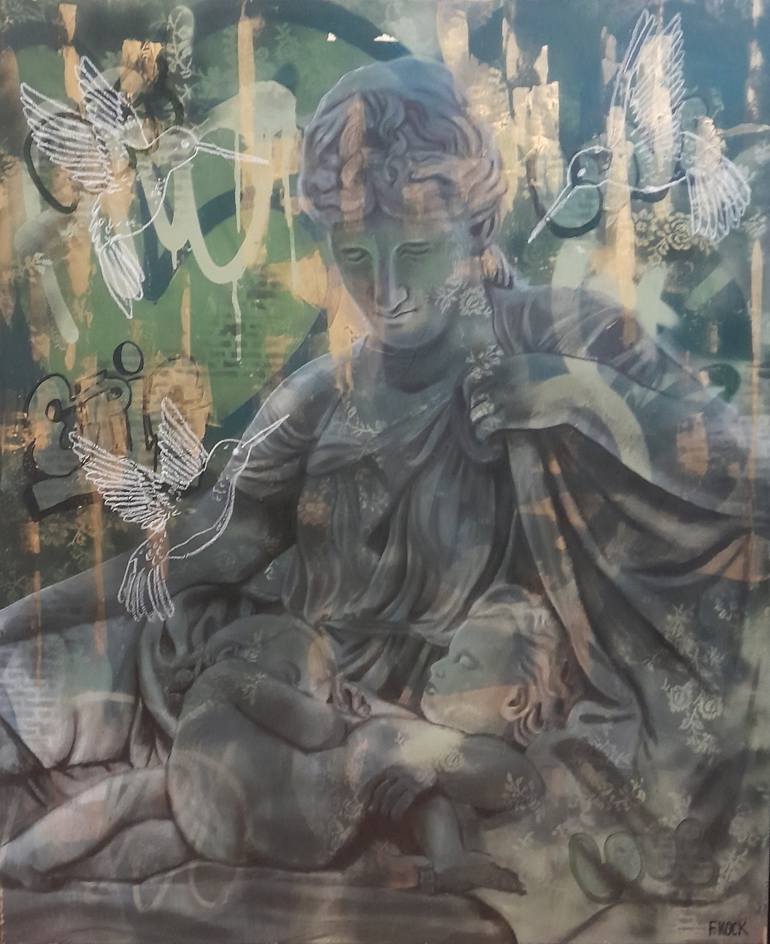
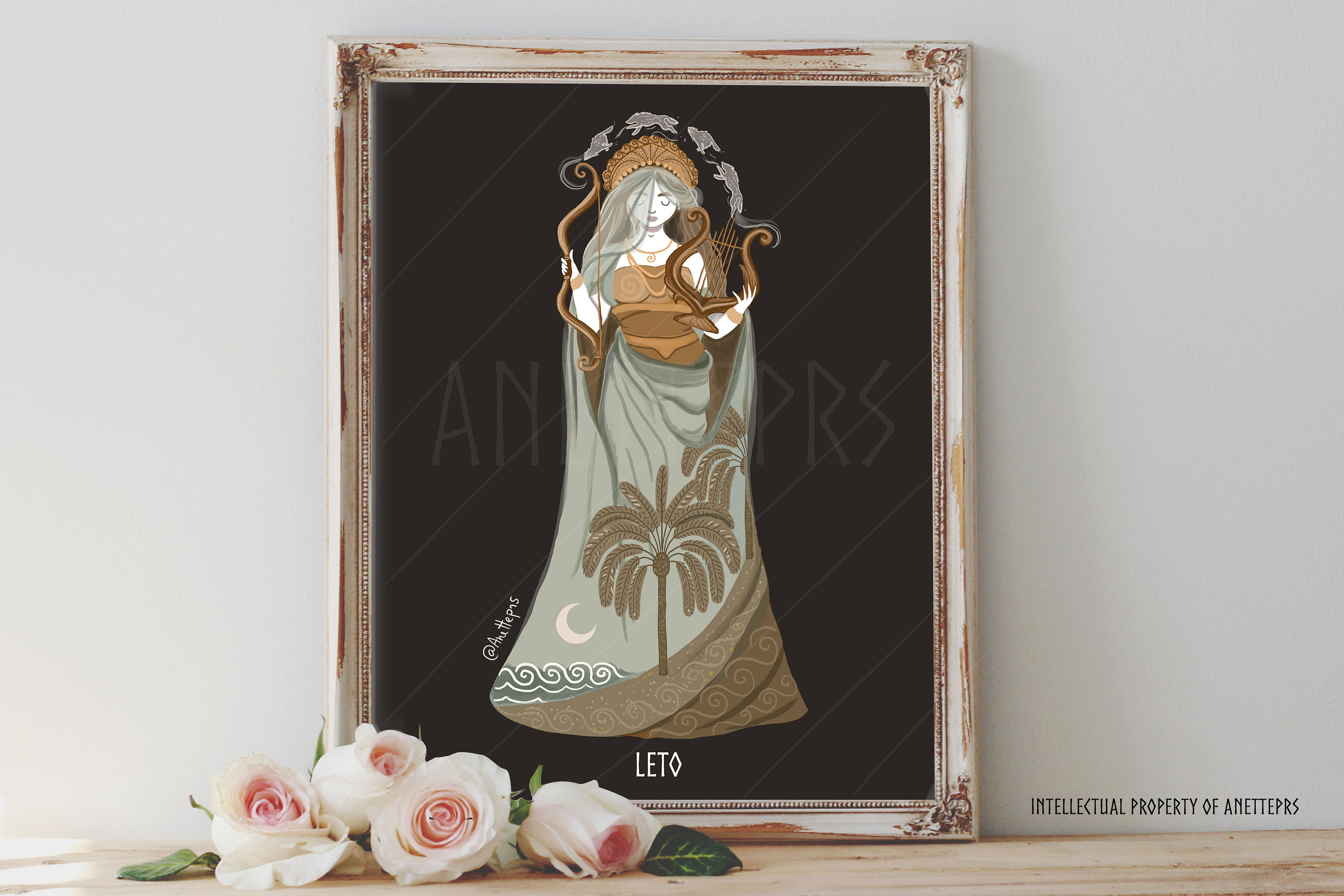
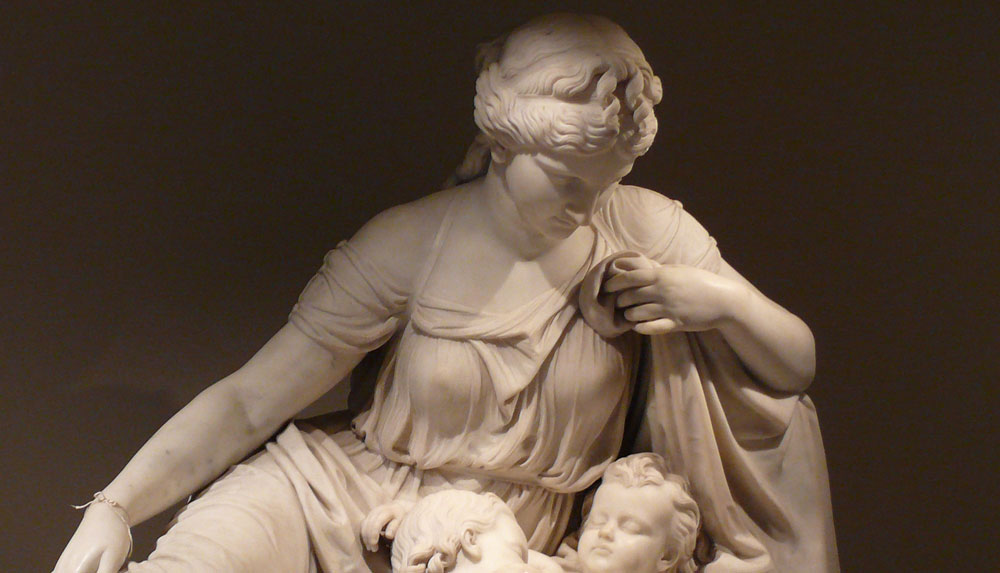
Leto was a Titanide, a bride of Zeus, and the mother of Apollon and Artemis. She was pursued by Hera and found refuge on the floating island of Delos, where she gave birth to her twins.
Asasa Ya (Ashanti): This earth mother goddess prepares to bring forth new life in the spring, and the Ashanti people honor her at the festival of Durbar, alongside Nyame, the sky god who brings rain to the fields. Bast (Egyptian): Bast was an Egyptian cat goddess who protected mothers and their newborn children.
Explore the myth of Leto, mother of Apollo and Artemis, whose trials and divine birth story made Delos sacred in Greek mythology.
Leto Goddess Of Motherhood
Mother goddess, any of a variety of feminine deities and maternal symbols of creativity, birth, fertility, sexual union, nurturing, and the cycle of growth. The term also has been applied to figures as diverse as the so.
Leto was a Titanide, a bride of Zeus, and the mother of Apollon and Artemis. She was pursued by Hera and found refuge on the floating island of Delos, where she gave birth to her twins.
Asasa Ya (Ashanti): This earth mother goddess prepares to bring forth new life in the spring, and the Ashanti people honor her at the festival of Durbar, alongside Nyame, the sky god who brings rain to the fields. Bast (Egyptian): Bast was an Egyptian cat goddess who protected mothers and their newborn children.
Motherhood has always been central to human culture and mythology, but its meaning and significance have transformed profoundly over time. From ancient fertility goddesses who embodied the raw power of life and creation to the subdued maternal figures of patriarchal religions, myths about mothers reveal not only societal values but also deep conflicts between genders and shifting power.
Danu: Ireland's Mother Goddess And The Eternal Flow Of Celtic Mythology ...

Leto was a Titanide, a bride of Zeus, and the mother of Apollon and Artemis. She was pursued by Hera and found refuge on the floating island of Delos, where she gave birth to her twins.
Mother Goddess sculpture from Madhya Pradesh or Rajasthan, India, 6th-7th century, in the National Museum of Korea, Seoul A mother goddess is a major goddess characterized as a mother or progenitor, either as an embodiment of motherhood and fertility or fulfilling the cosmological role of a creator- and/or destroyer-figure, typically associated the Earth, sky, and/or the life.
Divine motherhood across the ancient world embodied more than just mythology-it was a cultural blueprint. In ancient civilizations from Egypt to China, mother goddesses symbolized both life.
Learn about Leto, the Titan goddess who gave birth to Artemis and Apollo despite Hera's wrath. Discover her origins, adventures, and role in Greek mythology.
Hathor Motherhood Goddess Myths - Mythology Vault
Mother Goddess sculpture from Madhya Pradesh or Rajasthan, India, 6th-7th century, in the National Museum of Korea, Seoul A mother goddess is a major goddess characterized as a mother or progenitor, either as an embodiment of motherhood and fertility or fulfilling the cosmological role of a creator- and/or destroyer-figure, typically associated the Earth, sky, and/or the life.
Rhea, a Titan goddess of fertility and motherhood, was the first goddess to be associated with motherhood. In ancient Greek mythology, Leto was the representation of motherhood, suffering a lot to give birth to her children and protect them. She was also the sister and consort of Cronus, mother to several of the Olympian deities.
Asasa Ya (Ashanti): This earth mother goddess prepares to bring forth new life in the spring, and the Ashanti people honor her at the festival of Durbar, alongside Nyame, the sky god who brings rain to the fields. Bast (Egyptian): Bast was an Egyptian cat goddess who protected mothers and their newborn children.
Mother goddess, any of a variety of feminine deities and maternal symbols of creativity, birth, fertility, sexual union, nurturing, and the cycle of growth. The term also has been applied to figures as diverse as the so.
Leto Greek Goddess Symbol
Motherhood has always been central to human culture and mythology, but its meaning and significance have transformed profoundly over time. From ancient fertility goddesses who embodied the raw power of life and creation to the subdued maternal figures of patriarchal religions, myths about mothers reveal not only societal values but also deep conflicts between genders and shifting power.
Leto was a Titanide, a bride of Zeus, and the mother of Apollon and Artemis. She was pursued by Hera and found refuge on the floating island of Delos, where she gave birth to her twins.
Rhea, a Titan goddess of fertility and motherhood, was the first goddess to be associated with motherhood. In ancient Greek mythology, Leto was the representation of motherhood, suffering a lot to give birth to her children and protect them. She was also the sister and consort of Cronus, mother to several of the Olympian deities.
Explore the myth of Leto, mother of Apollo and Artemis, whose trials and divine birth story made Delos sacred in Greek mythology.
Mother Goddesses Around The World And Their Meanings - Whats-Your-Sign.com
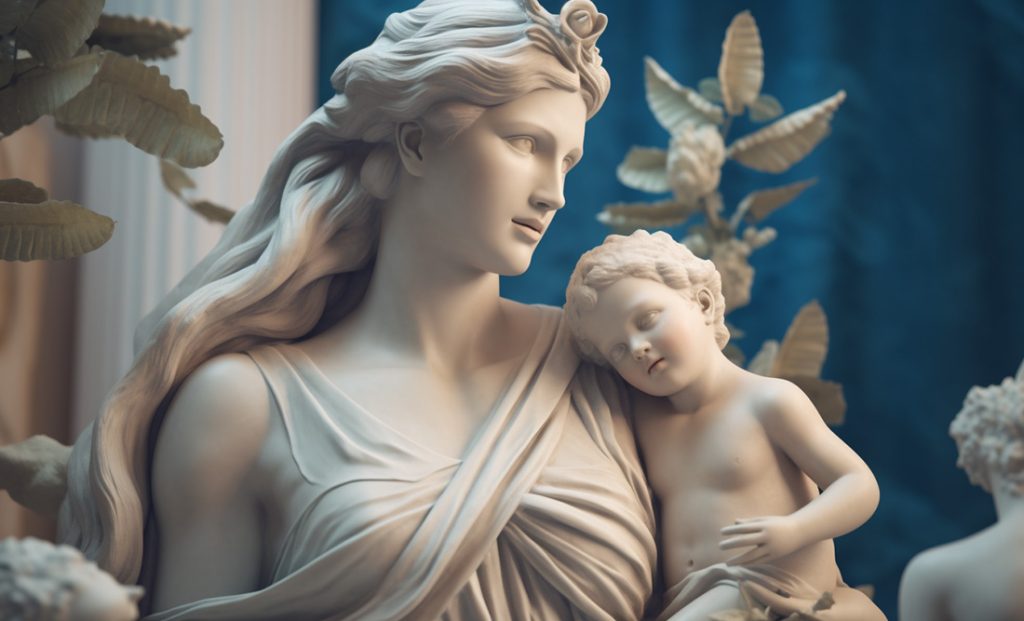
Mother Goddess sculpture from Madhya Pradesh or Rajasthan, India, 6th-7th century, in the National Museum of Korea, Seoul A mother goddess is a major goddess characterized as a mother or progenitor, either as an embodiment of motherhood and fertility or fulfilling the cosmological role of a creator- and/or destroyer-figure, typically associated the Earth, sky, and/or the life.
Asasa Ya (Ashanti): This earth mother goddess prepares to bring forth new life in the spring, and the Ashanti people honor her at the festival of Durbar, alongside Nyame, the sky god who brings rain to the fields. Bast (Egyptian): Bast was an Egyptian cat goddess who protected mothers and their newborn children.
Motherhood has always been central to human culture and mythology, but its meaning and significance have transformed profoundly over time. From ancient fertility goddesses who embodied the raw power of life and creation to the subdued maternal figures of patriarchal religions, myths about mothers reveal not only societal values but also deep conflicts between genders and shifting power.
Learn about Leto, the Titan goddess who gave birth to Artemis and Apollo despite Hera's wrath. Discover her origins, adventures, and role in Greek mythology.
Leto Goddess Of Motherhood

Mother Goddess sculpture from Madhya Pradesh or Rajasthan, India, 6th-7th century, in the National Museum of Korea, Seoul A mother goddess is a major goddess characterized as a mother or progenitor, either as an embodiment of motherhood and fertility or fulfilling the cosmological role of a creator- and/or destroyer-figure, typically associated the Earth, sky, and/or the life.
Learn about 13 famous mother goddesses from different ancient civilizations, such as Gaia, Isis, Asase Yaa, Nut, and Durga. Discover their roles, symbols, powers, and stories in this article.
Rhea, a Titan goddess of fertility and motherhood, was the first goddess to be associated with motherhood. In ancient Greek mythology, Leto was the representation of motherhood, suffering a lot to give birth to her children and protect them. She was also the sister and consort of Cronus, mother to several of the Olympian deities.
Explore the myth of Leto, mother of Apollo and Artemis, whose trials and divine birth story made Delos sacred in Greek mythology.
Leto Goddess Of Motherhood
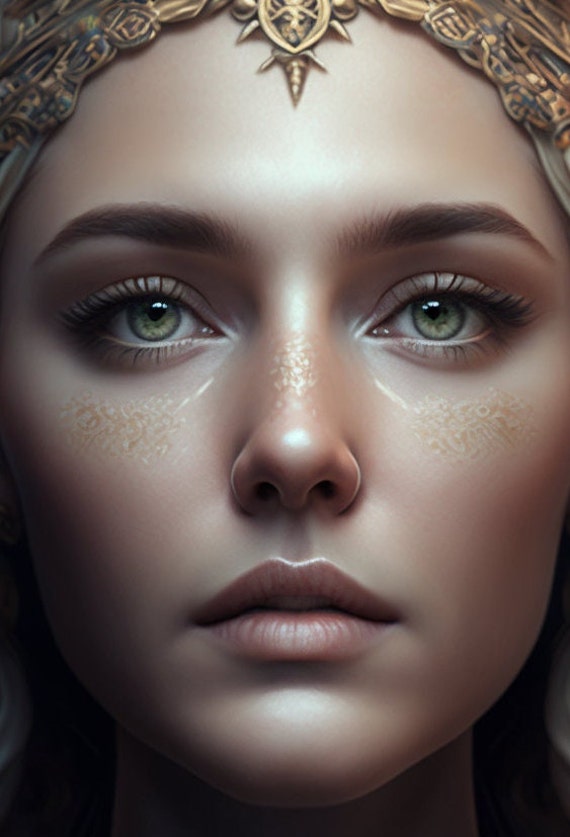
Asasa Ya (Ashanti): This earth mother goddess prepares to bring forth new life in the spring, and the Ashanti people honor her at the festival of Durbar, alongside Nyame, the sky god who brings rain to the fields. Bast (Egyptian): Bast was an Egyptian cat goddess who protected mothers and their newborn children.
Divine motherhood across the ancient world embodied more than just mythology-it was a cultural blueprint. In ancient civilizations from Egypt to China, mother goddesses symbolized both life.
Learn about 13 famous mother goddesses from different ancient civilizations, such as Gaia, Isis, Asase Yaa, Nut, and Durga. Discover their roles, symbols, powers, and stories in this article.
Motherhood has always been central to human culture and mythology, but its meaning and significance have transformed profoundly over time. From ancient fertility goddesses who embodied the raw power of life and creation to the subdued maternal figures of patriarchal religions, myths about mothers reveal not only societal values but also deep conflicts between genders and shifting power.
Leto, Greek Goddess Of Motherhood And Protection, Wall Art, Beautiful ...

Motherhood has always been central to human culture and mythology, but its meaning and significance have transformed profoundly over time. From ancient fertility goddesses who embodied the raw power of life and creation to the subdued maternal figures of patriarchal religions, myths about mothers reveal not only societal values but also deep conflicts between genders and shifting power.
Rhea, a Titan goddess of fertility and motherhood, was the first goddess to be associated with motherhood. In ancient Greek mythology, Leto was the representation of motherhood, suffering a lot to give birth to her children and protect them. She was also the sister and consort of Cronus, mother to several of the Olympian deities.
Learn about Leto, the Titan goddess who gave birth to Artemis and Apollo despite Hera's wrath. Discover her origins, adventures, and role in Greek mythology.
Mother Goddess sculpture from Madhya Pradesh or Rajasthan, India, 6th-7th century, in the National Museum of Korea, Seoul A mother goddess is a major goddess characterized as a mother or progenitor, either as an embodiment of motherhood and fertility or fulfilling the cosmological role of a creator- and/or destroyer-figure, typically associated the Earth, sky, and/or the life.
Leto: Titan Goddess Of Motherhood In Greek Mythology | History Cooperative
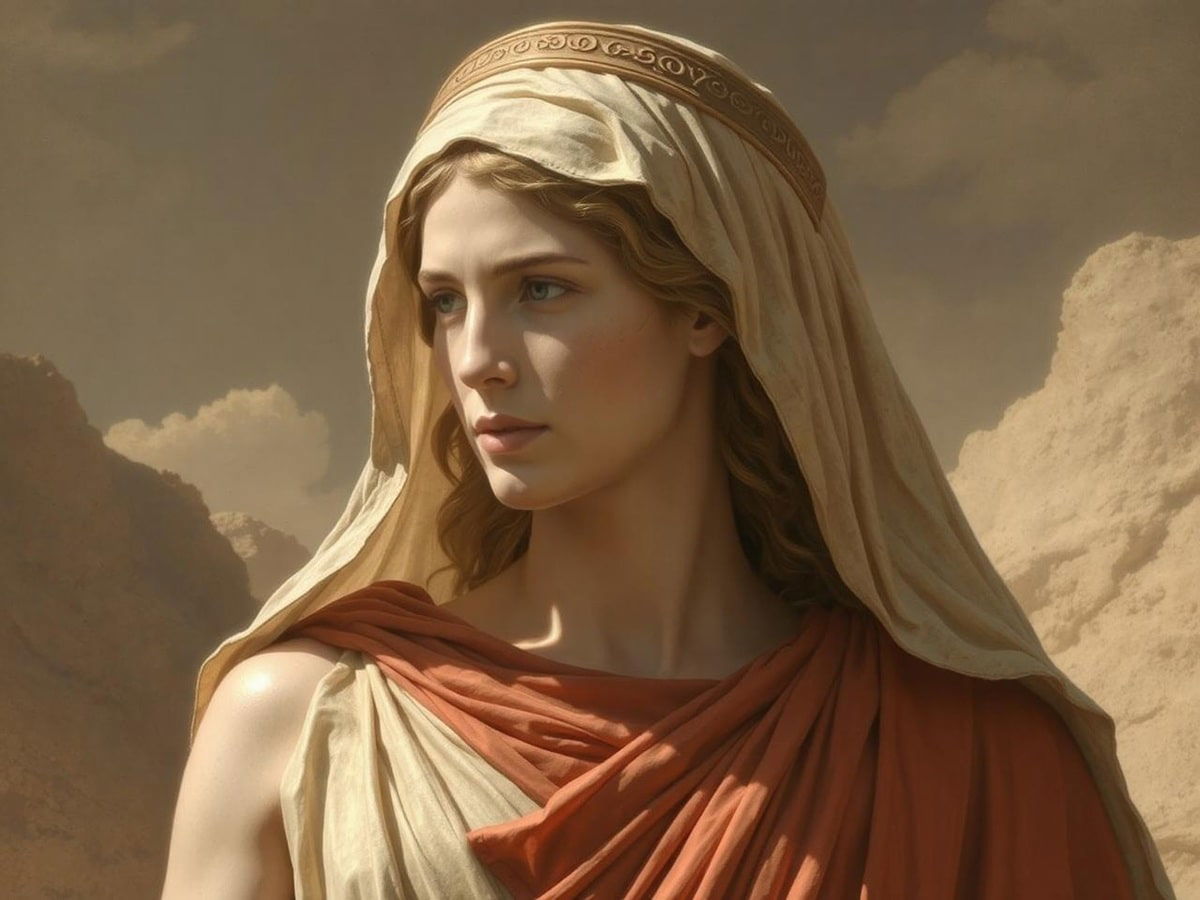
Mother Goddess sculpture from Madhya Pradesh or Rajasthan, India, 6th-7th century, in the National Museum of Korea, Seoul A mother goddess is a major goddess characterized as a mother or progenitor, either as an embodiment of motherhood and fertility or fulfilling the cosmological role of a creator- and/or destroyer-figure, typically associated the Earth, sky, and/or the life.
Divine motherhood across the ancient world embodied more than just mythology-it was a cultural blueprint. In ancient civilizations from Egypt to China, mother goddesses symbolized both life.
Learn about 13 famous mother goddesses from different ancient civilizations, such as Gaia, Isis, Asase Yaa, Nut, and Durga. Discover their roles, symbols, powers, and stories in this article.
Learn about Leto, the Titan goddess who gave birth to Artemis and Apollo despite Hera's wrath. Discover her origins, adventures, and role in Greek mythology.
Leto, Goddess Of Motherhood And Motherly Protectiveness | Fantasy I Sci ...

Asasa Ya (Ashanti): This earth mother goddess prepares to bring forth new life in the spring, and the Ashanti people honor her at the festival of Durbar, alongside Nyame, the sky god who brings rain to the fields. Bast (Egyptian): Bast was an Egyptian cat goddess who protected mothers and their newborn children.
Explore the myth of Leto, mother of Apollo and Artemis, whose trials and divine birth story made Delos sacred in Greek mythology.
Motherhood has always been central to human culture and mythology, but its meaning and significance have transformed profoundly over time. From ancient fertility goddesses who embodied the raw power of life and creation to the subdued maternal figures of patriarchal religions, myths about mothers reveal not only societal values but also deep conflicts between genders and shifting power.
Learn about Leto, the Titan goddess who gave birth to Artemis and Apollo despite Hera's wrath. Discover her origins, adventures, and role in Greek mythology.
Mother Goddesses Around The World And Their Meanings - Whats-Your-Sign.com
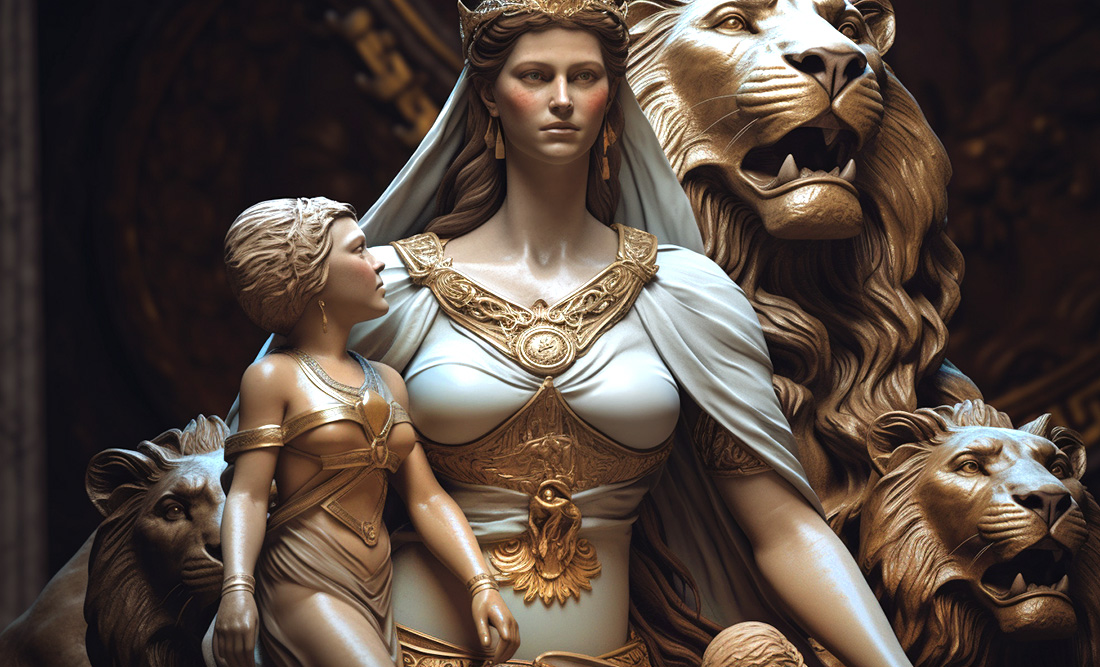
Mother Goddess sculpture from Madhya Pradesh or Rajasthan, India, 6th-7th century, in the National Museum of Korea, Seoul A mother goddess is a major goddess characterized as a mother or progenitor, either as an embodiment of motherhood and fertility or fulfilling the cosmological role of a creator- and/or destroyer-figure, typically associated the Earth, sky, and/or the life.
Divine motherhood across the ancient world embodied more than just mythology-it was a cultural blueprint. In ancient civilizations from Egypt to China, mother goddesses symbolized both life.
Leto was a Titanide, a bride of Zeus, and the mother of Apollon and Artemis. She was pursued by Hera and found refuge on the floating island of Delos, where she gave birth to her twins.
Learn about Leto, the Titan goddess who gave birth to Artemis and Apollo despite Hera's wrath. Discover her origins, adventures, and role in Greek mythology.
Leto (the Greek Goddess Of Motherhood) By Lovesart06 On DeviantArt

Learn about 13 famous mother goddesses from different ancient civilizations, such as Gaia, Isis, Asase Yaa, Nut, and Durga. Discover their roles, symbols, powers, and stories in this article.
Asasa Ya (Ashanti): This earth mother goddess prepares to bring forth new life in the spring, and the Ashanti people honor her at the festival of Durbar, alongside Nyame, the sky god who brings rain to the fields. Bast (Egyptian): Bast was an Egyptian cat goddess who protected mothers and their newborn children.
Rhea, a Titan goddess of fertility and motherhood, was the first goddess to be associated with motherhood. In ancient Greek mythology, Leto was the representation of motherhood, suffering a lot to give birth to her children and protect them. She was also the sister and consort of Cronus, mother to several of the Olympian deities.
Mother goddess, any of a variety of feminine deities and maternal symbols of creativity, birth, fertility, sexual union, nurturing, and the cycle of growth. The term also has been applied to figures as diverse as the so.
Divine motherhood across the ancient world embodied more than just mythology-it was a cultural blueprint. In ancient civilizations from Egypt to China, mother goddesses symbolized both life.
Learn about 13 famous mother goddesses from different ancient civilizations, such as Gaia, Isis, Asase Yaa, Nut, and Durga. Discover their roles, symbols, powers, and stories in this article.
Learn about Leto, the Titan goddess who gave birth to Artemis and Apollo despite Hera's wrath. Discover her origins, adventures, and role in Greek mythology.
Leto was a Titanide, a bride of Zeus, and the mother of Apollon and Artemis. She was pursued by Hera and found refuge on the floating island of Delos, where she gave birth to her twins.
Explore the myth of Leto, mother of Apollo and Artemis, whose trials and divine birth story made Delos sacred in Greek mythology.
Asasa Ya (Ashanti): This earth mother goddess prepares to bring forth new life in the spring, and the Ashanti people honor her at the festival of Durbar, alongside Nyame, the sky god who brings rain to the fields. Bast (Egyptian): Bast was an Egyptian cat goddess who protected mothers and their newborn children.
Motherhood has always been central to human culture and mythology, but its meaning and significance have transformed profoundly over time. From ancient fertility goddesses who embodied the raw power of life and creation to the subdued maternal figures of patriarchal religions, myths about mothers reveal not only societal values but also deep conflicts between genders and shifting power.
Mother Goddess sculpture from Madhya Pradesh or Rajasthan, India, 6th-7th century, in the National Museum of Korea, Seoul A mother goddess is a major goddess characterized as a mother or progenitor, either as an embodiment of motherhood and fertility or fulfilling the cosmological role of a creator- and/or destroyer-figure, typically associated the Earth, sky, and/or the life.
Rhea, a Titan goddess of fertility and motherhood, was the first goddess to be associated with motherhood. In ancient Greek mythology, Leto was the representation of motherhood, suffering a lot to give birth to her children and protect them. She was also the sister and consort of Cronus, mother to several of the Olympian deities.
Mother goddess, any of a variety of feminine deities and maternal symbols of creativity, birth, fertility, sexual union, nurturing, and the cycle of growth. The term also has been applied to figures as diverse as the so.